Emergency Cooling Rental in Phoenix
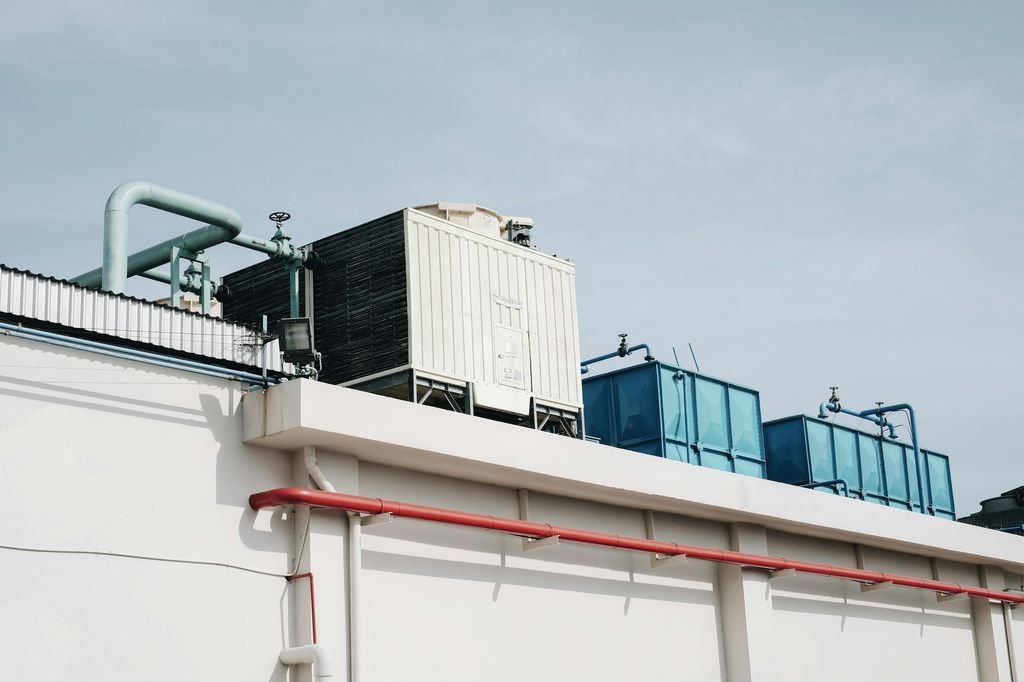
In Phoenix, emergency cooling calls range from a single failed rooftop unit on a strip center to a chiller outage at a medical building, and summer demand can make availability tight.
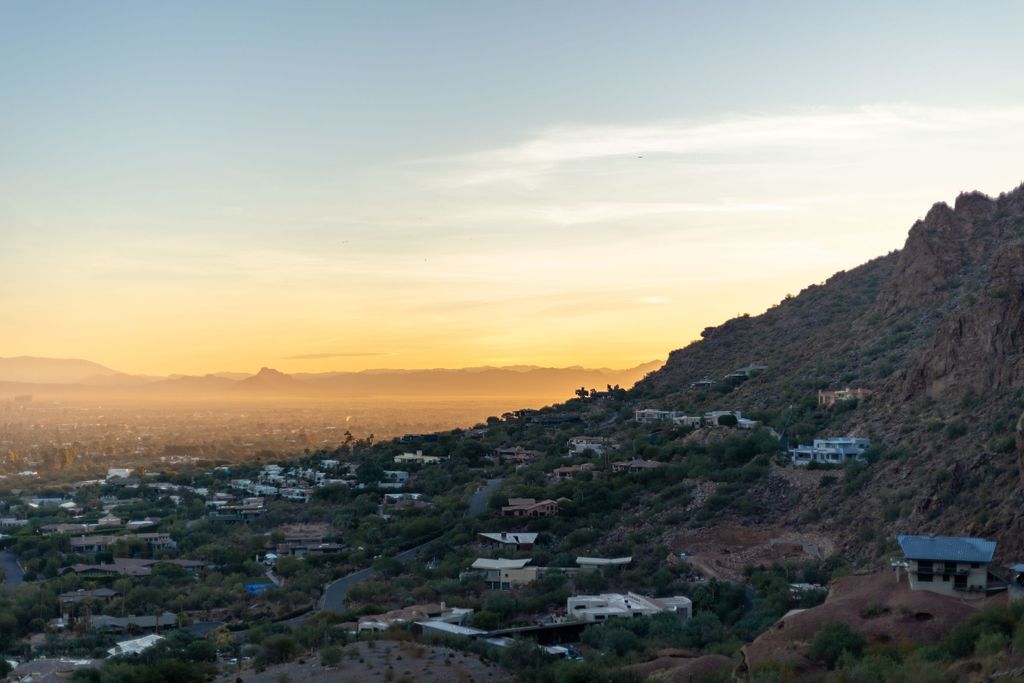
Tell us what you need and we’ll line up the right emergency cooling setup with the vetted local rental companies we work with in Phoenix, covering Downtown Phoenix, the Sky Harbor area, Deer Valley, and the I-17 / Loop 303 corridor. Typical customers here include hospitals and medical campuses, downtown office and residential towers, airport-area logistics and warehouses, data centers, and the manufacturing projects in north Phoenix.
Common Phoenix jobs
- Rooftop unit failures on offices, retail, and restaurants
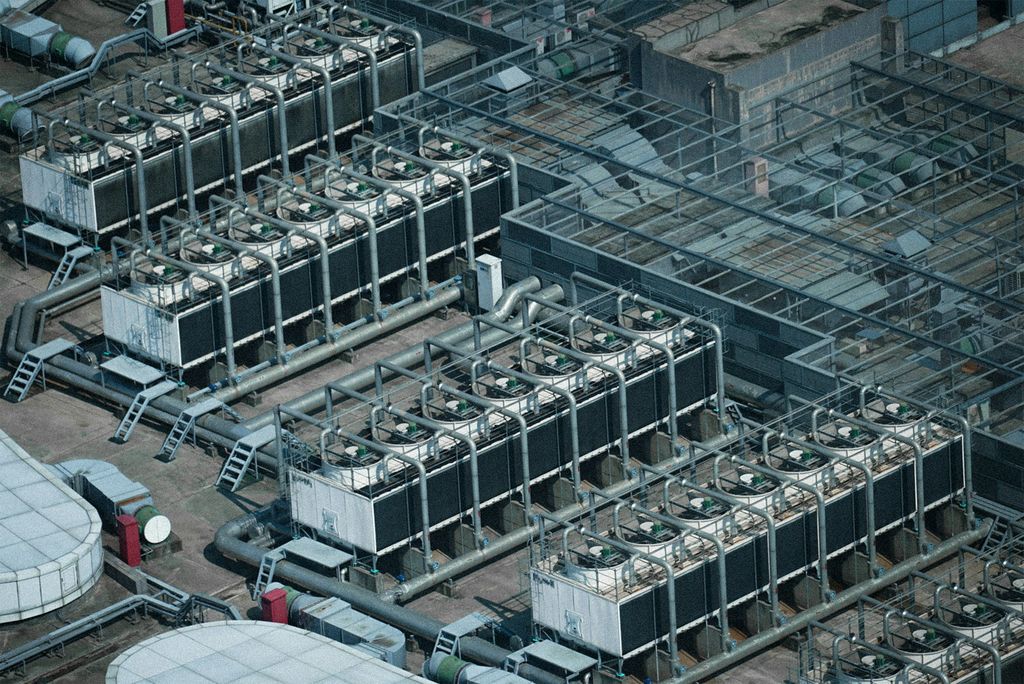
- Central plant chiller repairs at hospitals and high-rises
- Warehouse and distribution floor cooling
- Server room and data hall backup cooling
Emergency cooling at a glance
- What gets used: whatever fits the failure and is available: spot coolers for a room, packaged units for a floor, or chillers with air handlers for a chilled-water building
- Capacity: sized to the failed system where possible; the nameplate tonnage of the unit that went down is the fastest starting point
- Power: small spot coolers can often run on existing outlets; anything larger usually needs 208/230V or 480V three-phase, or a generator brought in with the unit
- Placement: a spot to exhaust hot air and drain condensate, plus a clear path for delivery; larger units need a truck-accessible pad or parking area
Good fits: rooftop unit or split system failures; chiller or cooling tower outages; server room cooling failures; heat-sensitive occupants or inventory at risk.
Those are typical ranges, not a sizing. The right unit and quantity depend on your heat load in tons, the power available, and how hot the space gets on the worst afternoon. Get a rough number with the tonnage calculator, and the rental company will confirm it.
Planning temporary cooling in Phoenix
- Heat: Summer afternoons can reach 115°F or more, and air-cooled equipment loses capacity as it gets hotter. Ask the provider to size for the worst afternoon, not the morning walk-through.
- Downtown placement: A unit, generator, or hose run in a downtown street, lane, or sidewalk usually needs a right-of-way permit from the City of Phoenix. Parking garages and loading docks often have height and weight limits, so measure before delivery day.
- Power: Older buildings may not have spare 480V capacity near where a chiller or packaged unit would sit. Many temporary setups run on a generator; new service from the utility (APS or SRP, depending on location) takes lead time.
What does emergency cooling cost in Phoenix?
Emergency cooling is generally priced at the same rental rates as planned rentals for the equipment involved, but rush or after-hours delivery, generators, and installation labor can add to the total. It varies with the equipment, the hour, and the site, so ask the provider to break those out in the quote. These are general ballpark figures, not Phoenix quotes or a price offer; actual pricing varies by provider, equipment, date, and site.
More on emergency cooling setups and Phoenix
See our emergency cooling overview for the full picture, or temporary cooling in Phoenix for other cooling options in the area.
Emergency Cooling Rental in other cities: Emergency cooling in Mesa · Emergency cooling in Chandler · Emergency cooling in Gilbert · Emergency cooling in Tempe · Emergency cooling in Scottsdale · Emergency cooling in Glendale · Emergency cooling in Queen Creek · Emergency cooling in Peoria