What it is
A rental air handler (AHU) moves air across a chilled-water coil and pushes it into the space through flexible duct. It doesn’t make cold on its own: it’s paired with a rental chiller or an existing chilled-water loop. Together they can cool spaces too big for spot coolers, such as warehouses, gyms, tents, and buildings whose own air handlers are down.
Typical specs
- Typical capacity: rental units commonly move roughly 2,000 to 20,000 CFM or more; at a rough 400 CFM per ton, that’s on the order of 5 to 50 tons of cooling per unit, depending on the coil and water temperature
- Power: fan motors typically need 208/230V or 460V three-phase; smaller units may run on single-phase power
- Hoses & water: chilled-water supply and return hoses from the chiller or building loop, a condensate drain, and flexible or layflat supply duct into the space
- Footprint: skid- or trailer-mounted; sits outside near an opening or indoors where there’s room, with the chiller placed nearby to keep hose runs short
Those are typical ranges, not a sizing. The right unit and quantity depend on your heat load in tons, the power available, and how hot the space gets on the worst afternoon. Get a rough number with the tonnage calculator, and the rental company will confirm it.
What rental air handlers are used for
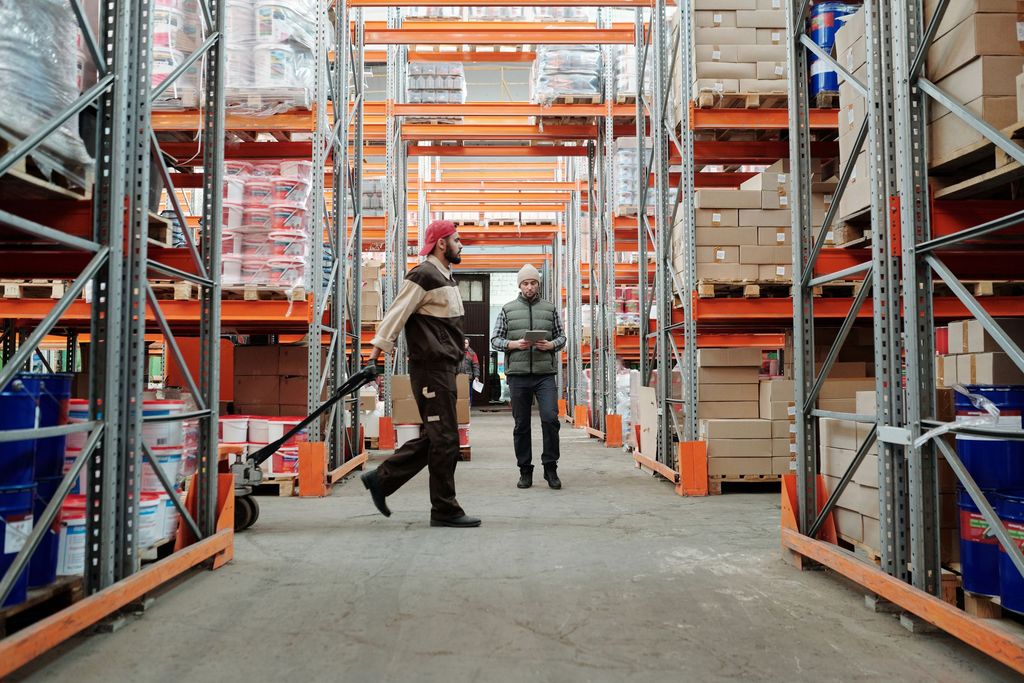
- Warehouses and production floors
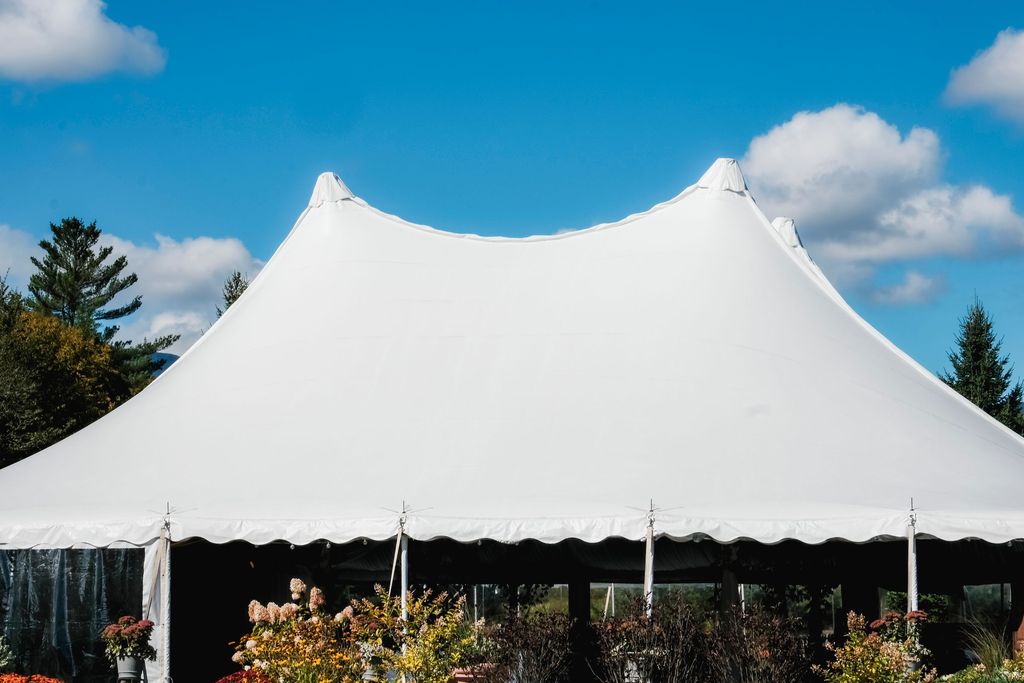
- Event tents and temporary structures
- Gyms, arenas, and large assembly spaces
- Replacing a failed building air handler while the coil or fan is repaired
Typical Phoenix-area jobs
- Cooling distribution and fulfillment floors through the summer
- Large tented events in spring and fall heat
- Standing in for a failed AHU on an office or school chilled-water system
- Construction dry-in and finishing work that needs a controlled temperature
An air handler needs a chilled-water source, usually a rental chiller. For a single room or a few workstations, spot coolers are simpler.
What does air handler rental cost?
Air handler rental varies with size, quantity, and duration, and it’s usually quoted alongside the chiller. As a rough, commonly cited ballpark, units often run a few hundred to over a thousand dollars a week each, plus duct, hoses, delivery, and setup. Get a written quote for the whole system. These are general ballpark figures, not Phoenix quotes or a price offer; actual pricing varies by provider, equipment, date, and site.
Why sizing matters in Phoenix
Phoenix summer afternoons routinely run well above 105°F, and air-cooled equipment loses capacity as outdoor temperatures climb. Undersized temporary cooling may keep up in the morning and fall behind by mid-afternoon. Tell the provider your worst-case conditions — sun exposure, roof type, peak occupancy — not just the floor area.
What a provider will ask
- The space: square footage, ceiling height, type of space, and how many people or how much equipment is in it.
- Existing system: what failed (if anything) and its tonnage — the nameplate on the existing unit is a great shortcut.
- Power: what’s available near where the unit would sit (standard outlets, 208/240V, three-phase), or whether a generator is needed.
- Placement: where the unit can go, how hot exhaust air and condensate will be handled, and how ducts or hoses get inside.
- Duration and access: start date, expected length, delivery access, and working hours.
How it works
- Send the form. For a failure in progress, choose “Emergency” so it’s flagged as urgent.
- We line it up with a vetted, licensed and insured local rental company that serves your area and has the right equipment.
- The provider contacts you to confirm sizing, power, and logistics, and quotes you directly. There’s no fee to you for using this service.
Air Handler Rental by city
- Air Handler Rental in Phoenix, AZ
- Air Handler Rental in Mesa, AZ
- Air Handler Rental in Chandler, AZ
- Air Handler Rental in Gilbert, AZ
- Air Handler Rental in Tempe, AZ
- Air Handler Rental in Scottsdale, AZ
- Air Handler Rental in Glendale, AZ
- Air Handler Rental in Queen Creek, AZ
- Air Handler Rental in Peoria, AZ