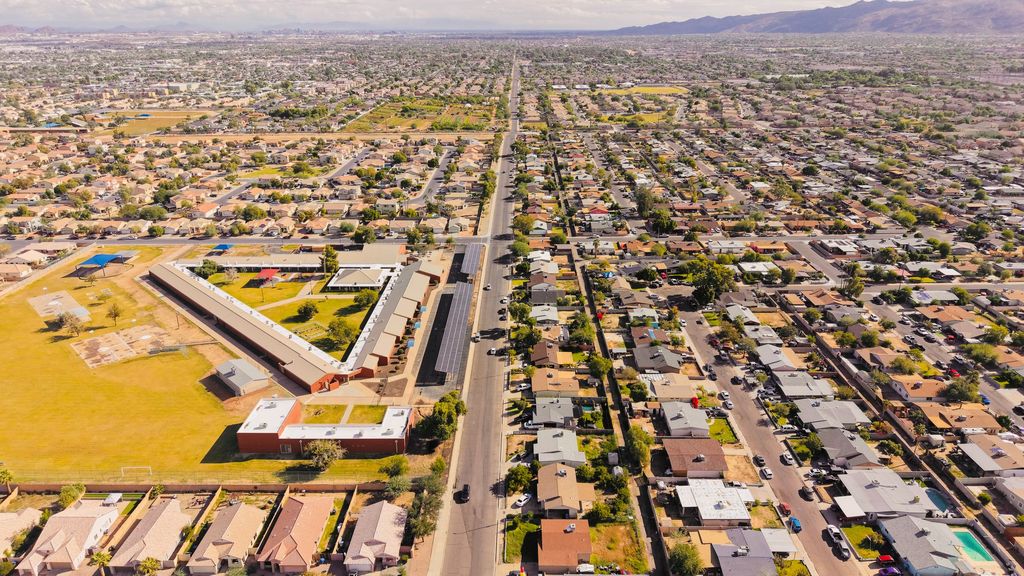
Temporary cooling in Gilbert
Gilbert’s medical offices, schools, retail centers, and light industrial buildings often need temporary cooling during rooftop unit replacements, which cluster in the hot months.
Common reasons Gilbert customers rent cooling
- Rooftop unit or chiller failure
- Planned HVAC replacement or renovation
- Server room or equipment overheating
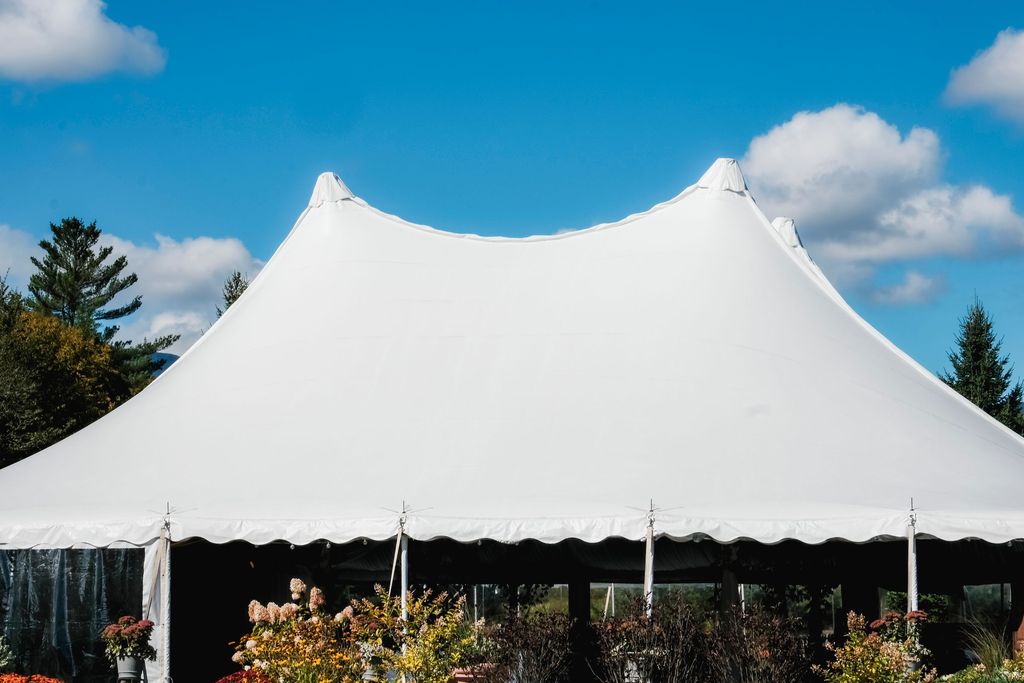
- Outdoor events, tents, and temporary structures
- Hot warehouses and work areas
Types of temporary cooling
| Equipment | Best for | Notes |
|---|---|---|
| Spot coolers / portable AC | Server closets, small rooms, workstations, supplementing a weak system | Usually roughly 1–5 tons each. Smaller units may run on standard outlets; larger units need higher-voltage circuits. Hot exhaust must be ducted out of the space. |
| Packaged / self-contained units | Offices, retail, tents, larger rooms | Sits outside and ducts cool air in; typically needs dedicated power or a generator. |
| Portable chillers + air handlers | Buildings with chilled-water systems, process cooling, large spaces | Can connect to an existing chilled-water loop or temporary air handlers; generally needs three-phase power and hose runs. |
| Evaporative coolers | Open-air areas in dry conditions | Less effective during humid monsoon weather; not a substitute for AC in sealed or sensitive spaces. |
Why sizing matters in Phoenix
Phoenix summer afternoons routinely run well above 105°F, and air-cooled equipment loses capacity as outdoor temperatures climb. Undersized temporary cooling may keep up in the morning and fall behind by mid-afternoon. Tell the provider your worst-case conditions — sun exposure, roof type, peak occupancy — not just the floor area.
What a provider will ask
- The space: square footage, ceiling height, type of space, and how many people or how much equipment is in it.
- Existing system: what failed (if anything) and its tonnage — the nameplate on the existing unit is a great shortcut.
- Power: what’s available near where the unit would sit (standard outlets, 208/240V, three-phase), or whether a generator is needed.
- Placement: where the unit can go, how hot exhaust air and condensate will be handled, and how ducts or hoses get inside.
- Duration and access: start date, expected length, delivery access, and working hours.
How it works
- Send the form. For a failure in progress, choose “Emergency” so it’s flagged as urgent.
- We line it up with a vetted, licensed and insured local rental company that serves your area and has the right equipment.
- The provider contacts you to confirm sizing, power, and logistics, and quotes you directly. There’s no fee to you for using this service.
Need a rough size first? Try the temporary cooling tonnage calculator.