Approaches that work in large spaces
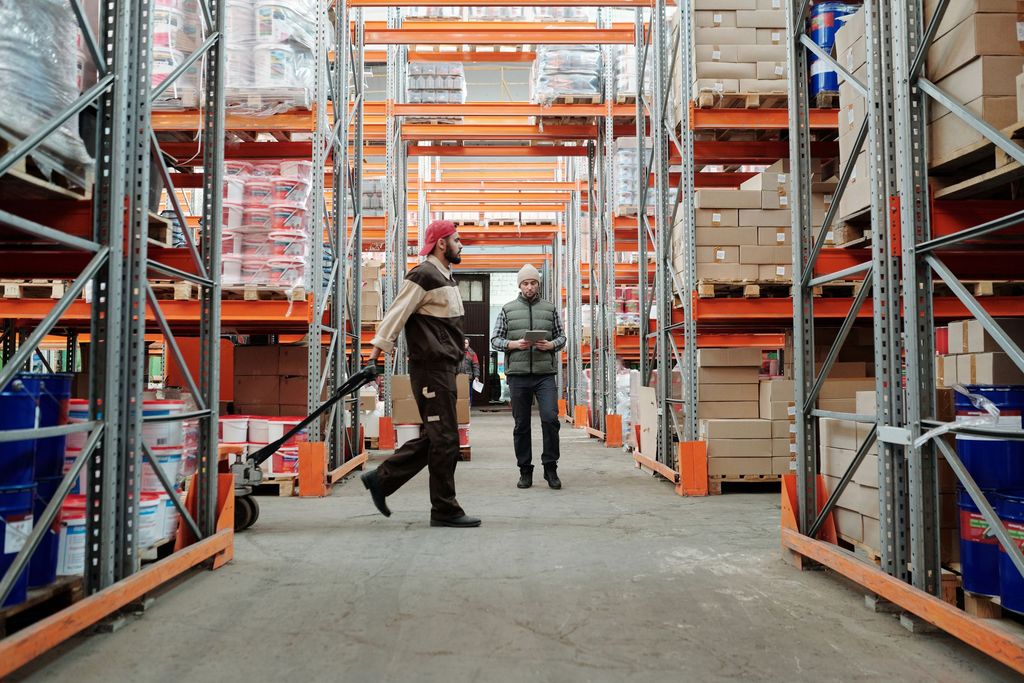
- Zone or spot cooling: cooling workstations, break areas, packing lines, or pick zones instead of the whole building.
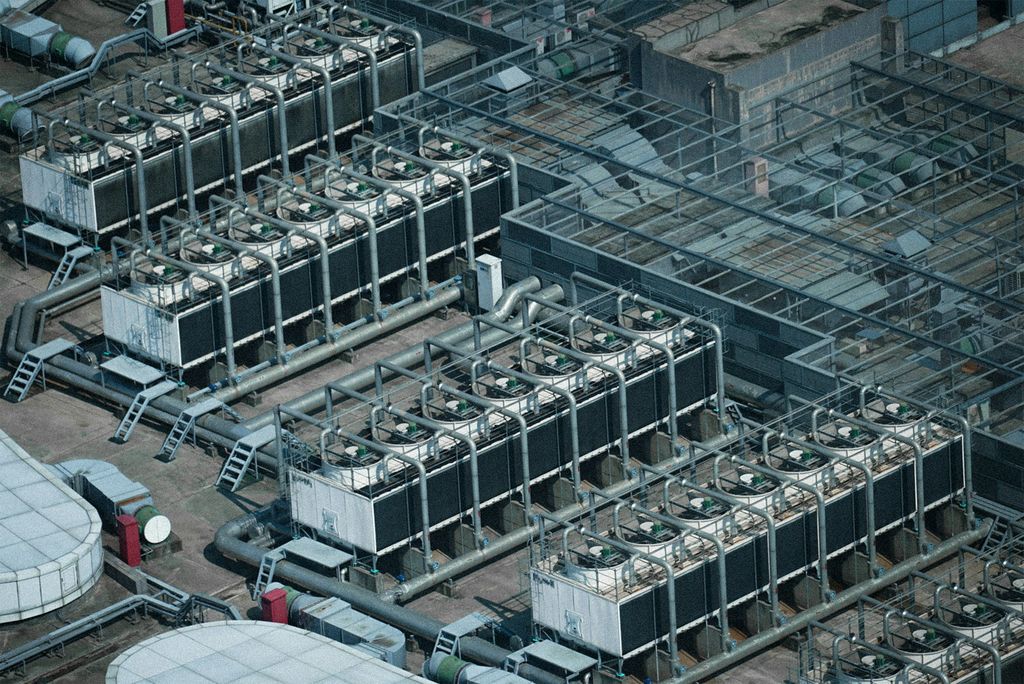
- Packaged units or chillers with air handlers for larger enclosed areas.
- Product protection: temperature-sensitive inventory may need dedicated, well-sealed areas.
Heat safety
Hot indoor work areas are a real worker-safety issue in Arizona summers. ADOSH runs a heat-illness emphasis program, and heat-safety rules for employers are evolving at both the state and federal level; check current requirements with ADOSH. Temporary cooling of break areas and workstations is one tool among many (water, rest, acclimatization, monitoring).
Why sizing matters in Phoenix
Phoenix summer afternoons routinely run well above 105°F, and air-cooled equipment loses capacity as outdoor temperatures climb. Undersized temporary cooling may keep up in the morning and fall behind by mid-afternoon. Tell the provider your worst-case conditions — sun exposure, roof type, peak occupancy — not just the floor area.
What a provider will ask
- The space: square footage, ceiling height, type of space, and how many people or how much equipment is in it.
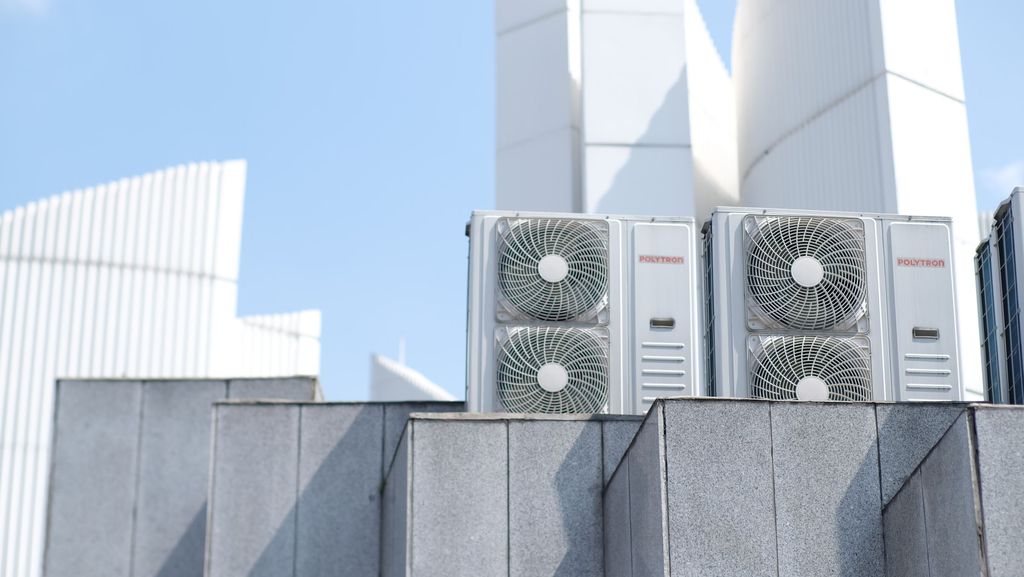
- Existing system: what failed (if anything) and its tonnage — the nameplate on the existing unit is a great shortcut.
- Power: what’s available near where the unit would sit (standard outlets, 208/240V, three-phase), or whether a generator is needed.
- Placement: where the unit can go, how hot exhaust air and condensate will be handled, and how ducts or hoses get inside.
- Duration and access: start date, expected length, delivery access, and working hours.
How it works
- Send the form. For a failure in progress, choose “Emergency” so it’s flagged as urgent.
- We line it up with a vetted, licensed and insured local rental company that serves your area and has the right equipment.
- The provider contacts you to confirm sizing, power, and logistics, and quotes you directly. There’s no fee to you for using this service.