What to do right now
- Protect people and critical equipment first. Move vulnerable occupants, shut down non-essential heat-producing equipment, and close blinds on sunny walls.
- Have the basics ready for the call: what failed and its tonnage (nameplate), the size and use of the space, power near where a unit could sit, and site access.
- Ask about ducting and condensate: spot coolers need a place to exhaust hot air (ceiling plenum, window, or door kit) and to drain or collect water.
- Keep your HVAC contractor in the loop so the repair and the temporary cooling are coordinated.
Types of temporary cooling
| Equipment | Best for | Notes |
|---|---|---|
| Spot coolers / portable AC | Server closets, small rooms, workstations, supplementing a weak system | Usually roughly 1–5 tons each. Smaller units may run on standard outlets; larger units need higher-voltage circuits. Hot exhaust must be ducted out of the space. |
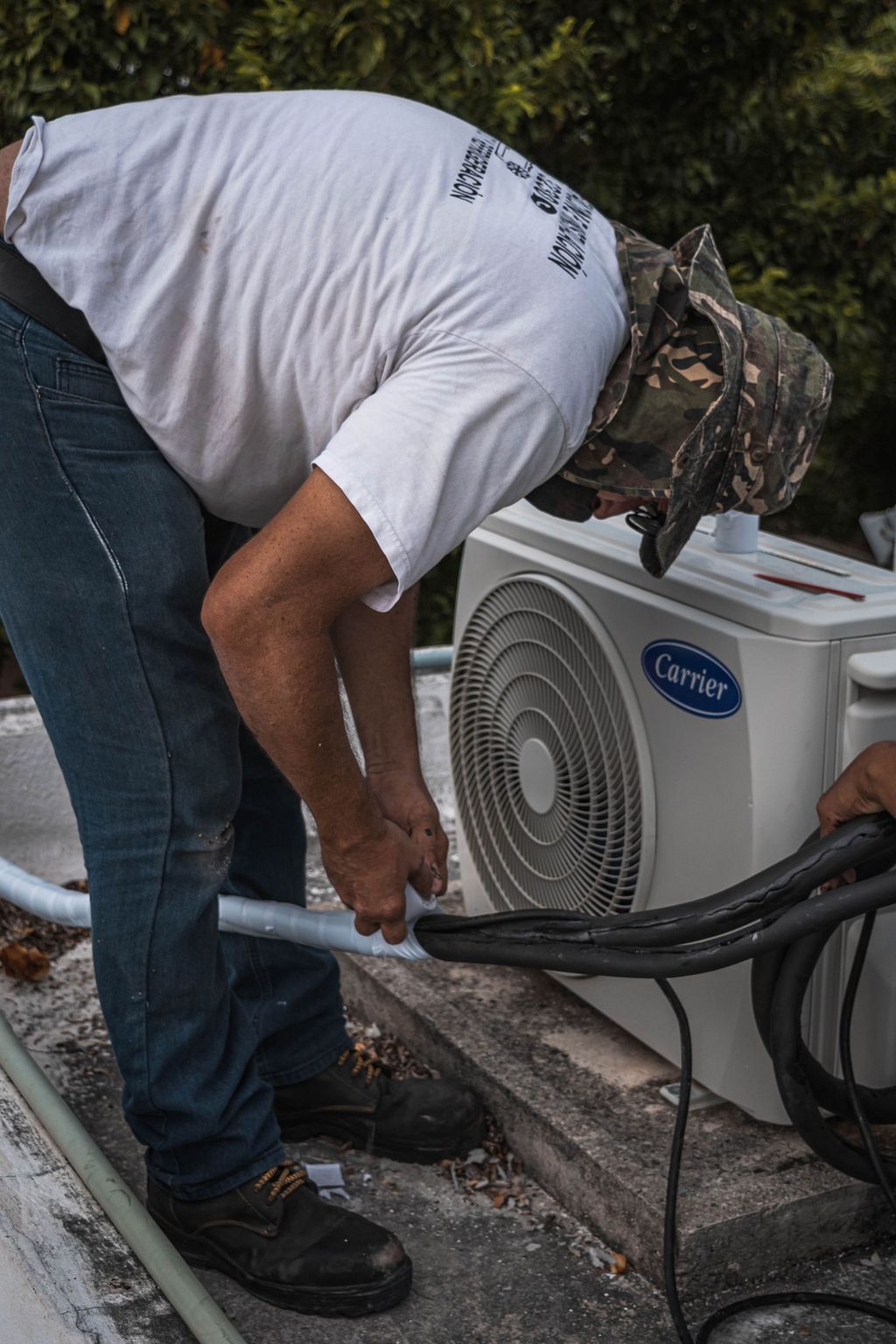
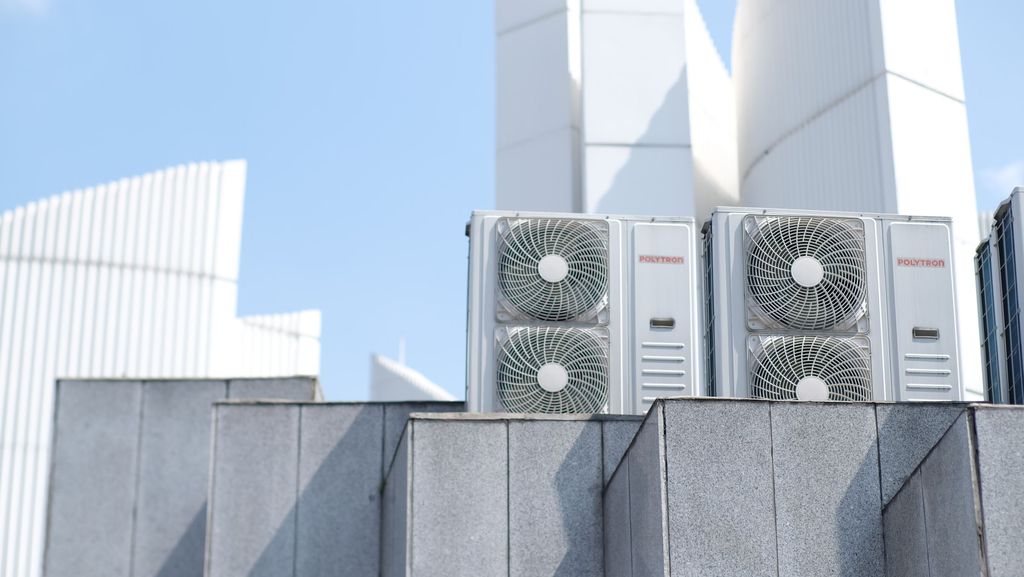
| Packaged / self-contained units | Offices, retail, tents, larger rooms | Sits outside and ducts cool air in; typically needs dedicated power or a generator. |
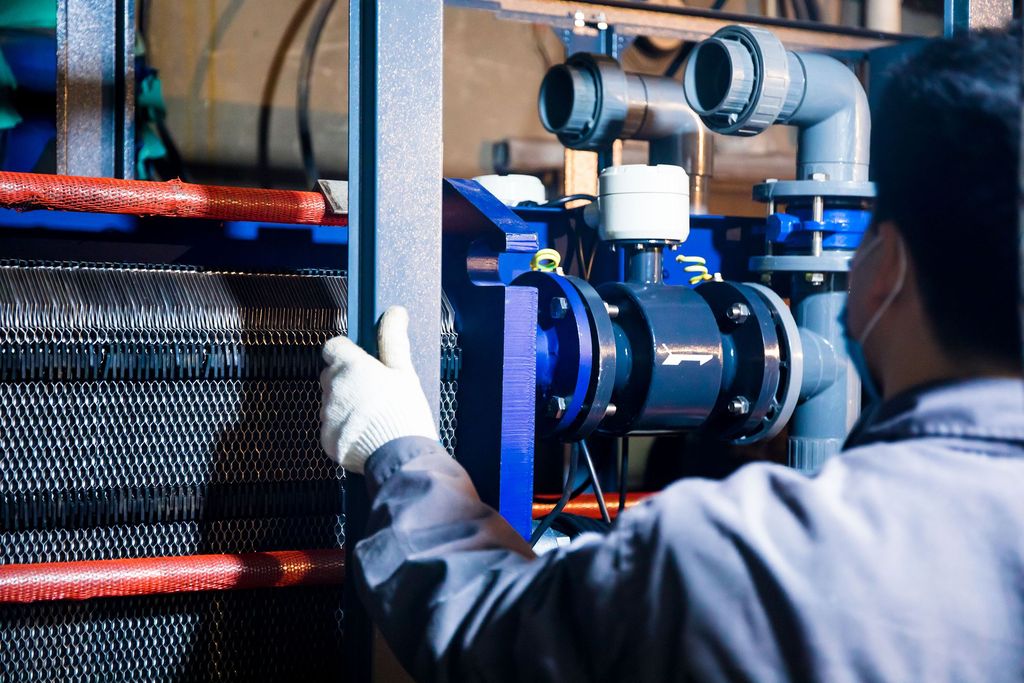
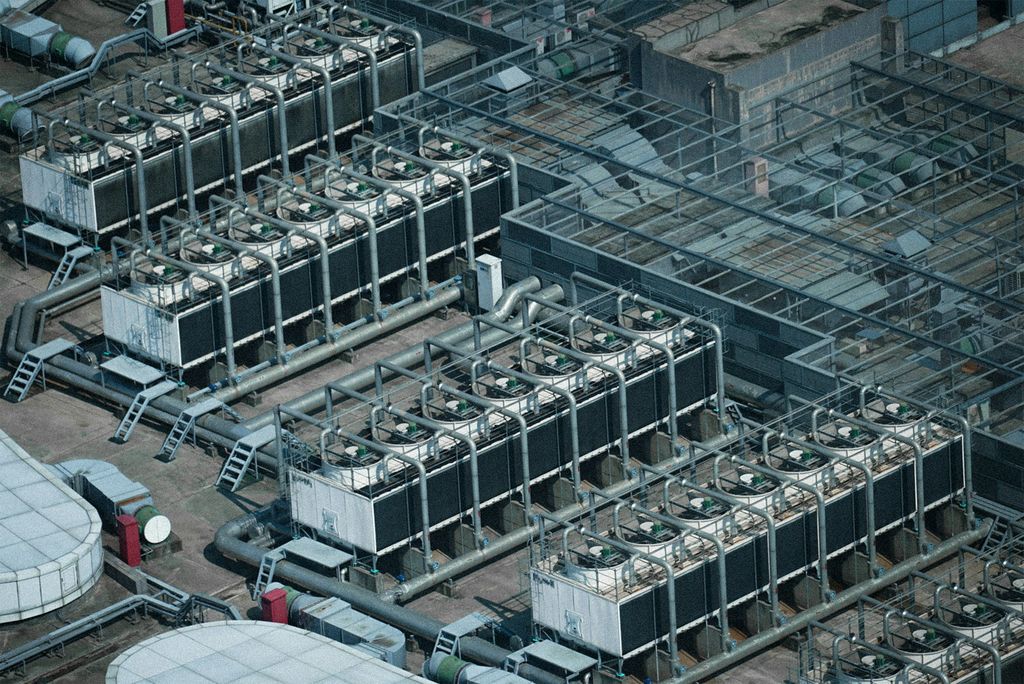
| Portable chillers + air handlers | Buildings with chilled-water systems, process cooling, large spaces | Can connect to an existing chilled-water loop or temporary air handlers; generally needs three-phase power and hose runs. |
| Evaporative coolers | Open-air areas in dry conditions | Less effective during humid monsoon weather; not a substitute for AC in sealed or sensitive spaces. |
What a provider will ask
- The space: square footage, ceiling height, type of space, and how many people or how much equipment is in it.
- Existing system: what failed (if anything) and its tonnage — the nameplate on the existing unit is a great shortcut.
- Power: what’s available near where the unit would sit (standard outlets, 208/240V, three-phase), or whether a generator is needed.
- Placement: where the unit can go, how hot exhaust air and condensate will be handled, and how ducts or hoses get inside.
- Duration and access: start date, expected length, delivery access, and working hours.
How it works
- Send the form. For a failure in progress, choose “Emergency” so it’s flagged as urgent.
- We line it up with a vetted, licensed and insured local rental company that serves your area and has the right equipment.
- The provider contacts you to confirm sizing, power, and logistics, and quotes you directly. There’s no fee to you for using this service.