Temporary cooling tonnage calculator
A rough planning estimate only. A rental provider should confirm sizing with a site survey before you commit.
How the calculator works
Cooling is sized in tons; one ton of cooling removes 12,000 BTU of heat per hour. The calculator adds up three heat sources and converts to tons:
- The space itself (walls, roof, windows, lights): floor area × a planning factor in BTU/hr per sq ft. The factors in the dropdown are rough rule-of-thumb assumptions for a hot desert summer, shown as a low–high range; real buildings vary widely.
- People: each person gives off heat. We use approximate values of about 450 BTU/hr seated, 600 standing, and 1,000 for active people — estimates, not exact figures.
- Equipment: electrical equipment turns nearly all the power it uses into heat. Every 1 kW of load is about 3,412 BTU/hr — so a 10 kW server rack needs roughly 2.8 tons on its own.
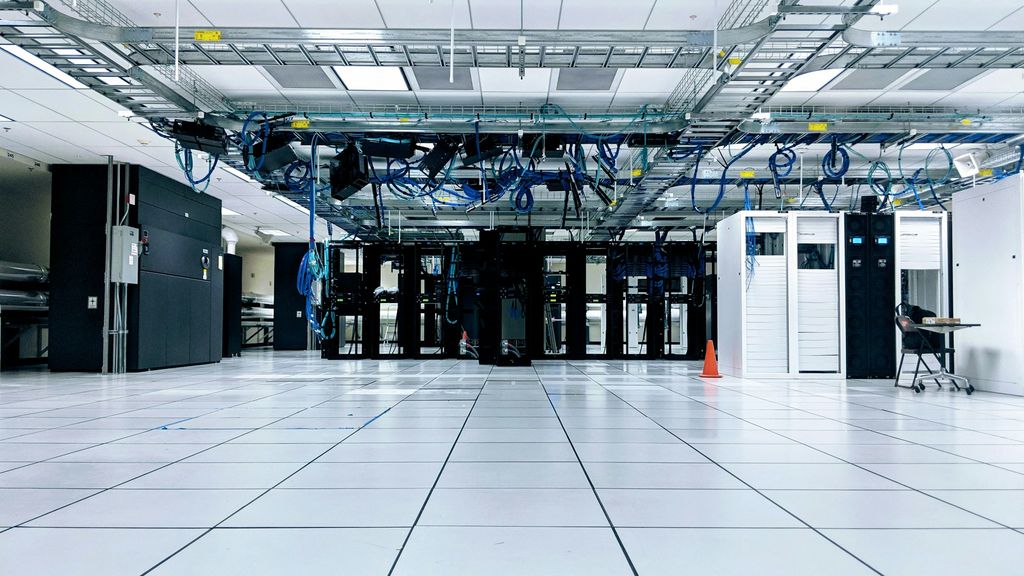
The high end of the range adds a 15% safety margin. For data centers and process cooling, size from the measured equipment load and add redundancy (for example, an extra unit) rather than relying on floor area.
Shortcut: check the nameplate
If you’re replacing a failed unit, the simplest starting point is the tonnage of the system that failed. Model numbers often encode it (for example, a “060” in many residential and light commercial model numbers indicates 60,000 BTU/hr, or 5 tons), but conventions vary by manufacturer, so confirm with the provider.